

Construction builds the physical world, but it runs on some of the least digital back-office processes of any major industry. Study after study ranks it near the very bottom for technology adoption, second only to agriculture, while finance, retail, manufacturing, and logistics digitized their core operations years ago.
The result is a daily reality most contractors know well: procurement by text message, approvals by paper, receiving reconstructed at month-end, and committed cost that nobody can see until the invoices land.
Construction builds our communities, but the people doing the building haven’t always had tools that match the pace of the work.
John Chabluk, Founder & CEO, QuoteToMe
Why the gap exists
The reasons are real. Every project is different. Margins are thin, so big software bets feel risky. Crews are mobile and often offline. And the tools that did exist were built for accountants, not for the people in the field actually spending the money.
What the gap actually costs
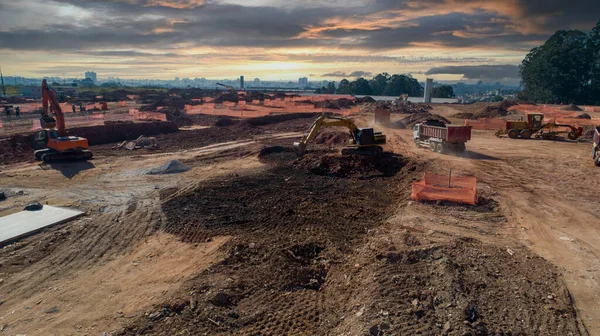
Low digitization isn’t just inconvenient, it’s expensive. When procurement lives in people’s heads and inboxes, orders go out without competitive quotes, rates aren’t enforced, and there’s no clean record to learn from. The cumulative impact of that inefficiency is significant.
The opportunity hiding in the gap
Being behind has an upside: the gains from getting it right are enormous and immediate. Contractors who put a real system around procurement don’t just save admin time, they recover margin on every order, gain real-time visibility into committed cost, and build an audit trail that makes financing, bonding, and growth easier.
- check_circleCompetitive quoting on every order, not just the big ones
- check_circleApprovals and audit trail in one place instead of scattered inboxes
- check_circleCommitted cost visible in real time, before the invoice
- check_circleField-to-finance data that flows automatically into your books
Closing the gap doesn’t mean a six-month project
The myth that construction tech means a painful, year-long implementation is exactly why so many teams stayed on paper. Modern, AI-native tools connect to the systems you already run and get a team live in under an hour. The industry’s digital catch-up is finally something you can start this week.